
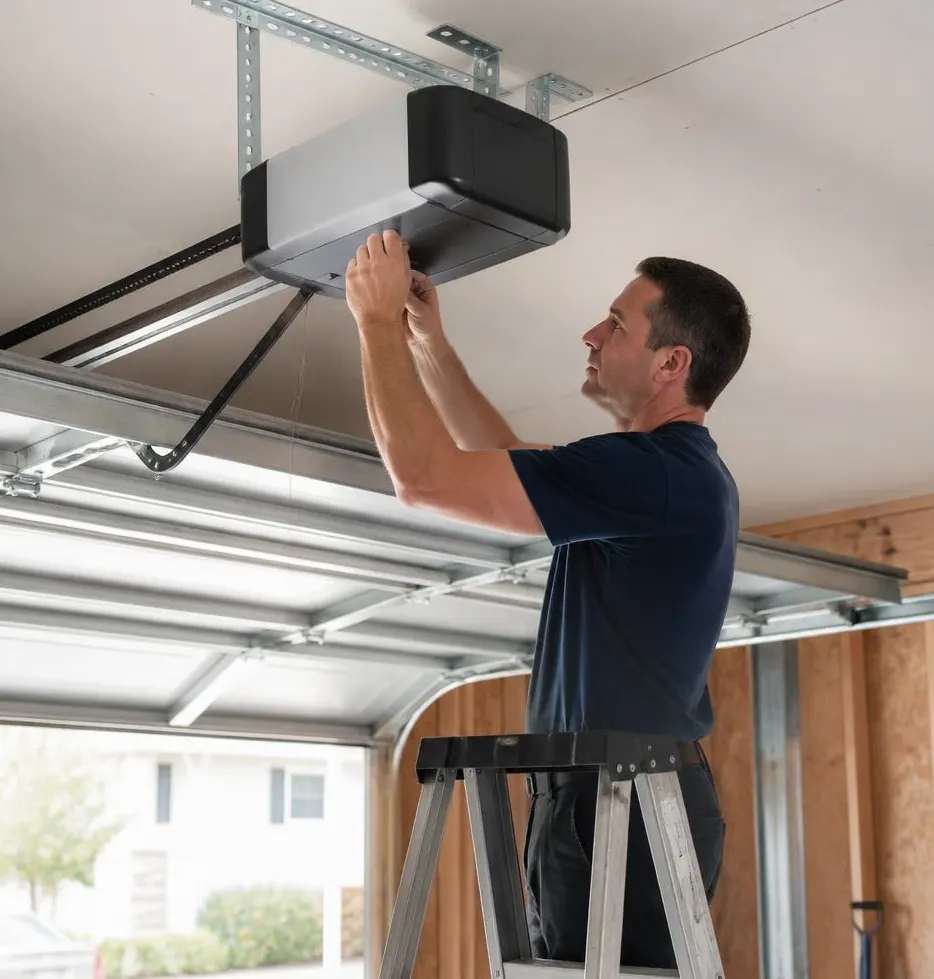
The Mistake: Assuming the Safety Sensors Have It Covered
Here's the trap almost every homeowner falls into: your garage door has those little photo-eye sensors near the bottom of the track, so you figure the door simply can't close on a kid or a dog. It feels like a reasonable assumption — that's literally what the sensors are for. So people stop watching the door when it closes, let a toddler push the remote button "for fun," or let the dog wander in and out of the garage while the door is moving. It's tempting because it's convenient, and nothing bad happens... until the one day the sensors are dirty, knocked out of alignment, or quietly failing.
What Actually Goes Wrong
A standard garage door section can weigh 130 to 400 pounds depending on material and size, and it's moving on a track under spring tension — not floating down gently like a feather. When the safety system doesn't catch an obstruction, the door keeps closing. The most common injuries are:
- Crush injuries when a child or pet is caught under the door as it closes.
- Pinch and laceration injuries to fingers caught between door panels or in the track as the door moves.
- Entrapment when a child plays with the remote or wall button and triggers the door while someone else is underneath or nearby.
- Dropped-door incidents when the emergency release cord is pulled (sometimes by a curious kid) and the door isn't properly balanced, causing it to fall faster than expected.
These aren't rare freak accidents — they're the predictable result of a safety system that depends on being maintained and respected, not ignored.
The Local Wrinkle: Humidity and Sensor Alignment
In Pinellas Park's climate, the photo-eye sensors are more likely to drift out of alignment than in a dry climate. Humidity causes wood and composite garage door panels to swell slightly, door tracks to shift a hair, and mounting brackets near the coast to corrode faster from salt air. A sensor that was perfectly aligned in the spring can be a half-inch off by the time the summer storms roll through, and a half-inch is enough to make the safety beam miss a small child or a cat crossing at the wrong moment. Afternoon downpours and humidity swings also mean sensor lenses collect moisture film and dust, which can make the beam unreliable without ever triggering an obvious error code.
The Specific Actions That Actually Prevent Accidents
1. Run the Auto-Reverse Test Monthly
Place a roll of paper towels or a 2x4 flat on the ground where the door closes. Close the door. It should reverse immediately on contact. If it doesn't reverse, or it reverses sluggishly, stop using the opener until it's repaired — this is not a wait-and-see situation.
2. Clean and Check the Photo-Eye Sensors Monthly
Wipe both sensor lenses with a soft cloth and make sure the indicator lights on both sides are solid, not blinking. If one is blinking, it usually means the sensors are misaligned or something is blocking the beam. After any heavy storm or noticeable humidity swing, give them a quick visual check — a bracket that's shifted even slightly can throw off the alignment.
3. Move the Wall Control Out of Reach
Wall-mounted buttons should be mounted high enough that small children can't reach them — a general rule of thumb is at least 5 feet off the garage floor. If yours is low and toddler-height, that's an easy, cheap fix.
4. Don't Hand Kids the Remote as a Chore
Letting a child "help" by pressing the garage door remote feels harmless, but it removes the adult's ability to confirm the path is clear before the door moves. If you want kids to have some independence, a keypad entry code supervised by an adult standing at the door is a safer middle ground than a remote that can be pressed from anywhere in the yard.
5. Treat the Emergency Release Cord as Off-Limits
That red cord disconnects the door from the opener and lets it move freely, including falling if it's not properly balanced. Keep it out of reach of small hands, and make sure your door is properly spring-balanced so that if it is ever pulled, the door doesn't come crashing down.
6. Set a "Door Is Moving, Everyone Stays Back" Rule
This sounds basic, but it's the rule most families skip. Pets especially don't understand the danger — a dog chasing a ball into the garage as the door closes is one of the most common pet injury scenarios. Train pets to stay clear of the garage entry entirely, not just during obvious door movement.
7. Keep Fingers Away from Panel Seams and Rollers
Pinch-resistant panel designs exist for a reason — older doors with flat, non-pinch-resistant seams are much easier to catch a finger in. If your door predates these designs, teach kids to never put fingers near the horizontal seams while the door is moving, and consider that this is worth factoring in if you're due for a door replacement.
When to Call Pinellas Park Garage Door
If your auto-reverse test fails, your sensors won't stay aligned no matter how often you clean them, or your wall button and remote setup doesn't give you the control you want, it's time for a professional look. We handle garage door opener repair and installation, including upgrading to openers with better safety sensor technology and keypad options that make it easier to manage who operates the door and when. We also handle garage door maintenance visits where we check spring balance, sensor alignment, and panel condition together, so you're not guessing whether your door is actually safe for the kids and pets using the garage every day.
If you're in Pinellas Park, St. Petersburg, Largo, Clearwater, Seminole, Kenneth City, Lealman, or South Pasadena and it's been a while since anyone checked your door's safety features, give Pinellas Park Garage Door a call. We'll test it properly, explain what we find in plain English, and fix what needs fixing.